#DOCburnout2015: Looking Ahead to Diabetes Burnout

The kids are tucked in, the kitchen is cleaned, school lunches are packed, and my husband and I finally sit down to watch a T.V. show before bed. During the opening credits something beeps. We pause the show and listen again for the beep, which could mean a number of things: there’s only 10 units of insulin left in the pump, there’s an occlusion in the pump, our son’s blood sugar is rising (or falling) rapidly, he is high, he is low, something needs calibrating or is out of range, a battery is dying.

Sure enough, there’s the beep again. We look at each other, wondering who’s turn it is to address this diabetes need this time. Diabetes has a knack for needing attention at almost every inopportune moment and roughly every two hours during the night.

Our son is young, so right now we manage his care, and we’re his parents, so as any parent knows, the motivation to keep a kid healthy is a deep biological drive. If one of us could have Henry’s diabetes instead of him, we’d do it in the blink of an eye, but we can’t. Instead, we’re teaching him to manage this disease one task at a time.

We’ve only been living with diabetes for 18 months, and certainly we were scared that first night in the hospital, but not like we’re scared now.  Part of the reason we’re more scared now is because we’ve read stories in the Diabetes Online Community (DOC) that don’t end welll. We’ve done research and understand what the risks and complications are. We’ve tried to manage blood sugars and learned that sometimes no matter how diligent you are, a blood sugar cannot be controlled.

While there is a lot to fear when living with type 1 diabetes, the fear isn’t very helpful. My son is four. Do I really need to be worried about him driving a car right now when that’s eleven years away? It’s not useful to worry over potential line items on his 504 when this meeting is still a year away. And it’s not entirely fair to say the DOC creates fear. Sure, stories like Kycie’s and Will’s circulate, but these stories should circulate because diabetes is a serious disease. If we weren’t sharing stories like Kycie’s on the DOC diagnoses would be missed and efforts for standard blood glucose screenings wouldn’t be part of the conversation. If fear is a result of being part of the DOC, then so are solutions, better glycemic control, inspiration, and humor, and I’ll take all this over fear any day.

I can usually set aside the future fears and deal with the daily tasks, but one fear is more nebulous, and that’s the fear of burnout, a complete and total lack of interest, and investment in diabetes care due to denial or a set of complicated emotions. My husband and I can play rock-paper-scissors to determine whose turn it is to make the beep go away, but what will Henry do when he’s 15 or 18 or 20? I’ve heard and read testimonies of teenagers who completely disregarding their diabetes because if they don’t acknowledge T1D then that means it’s not real. And this is reasonable because teenagers are tasked with managing an unmanageable disease during a time of quick physical change and great social pressure coupled with needed independence from adults. Being a teenager with diabetes is like sailing into a perfect storm.

DOCBurnout2015

Type 1 diabetes can’t be ignored, not even for a meal. It’s the long uphill trudge that I dread for Henry. The knowledge that to do almost anything he wants: eat a piece of cake, take a shower, turn a key in car’s ignition this means he always has to do something before. Strict attention and action will be required before the most basic tasks, tasks most of us do multiple times a day without a second thought. He’ll always have second thoughts. I hope the DOC is a place he’ll go to give and get some of these thoughts.

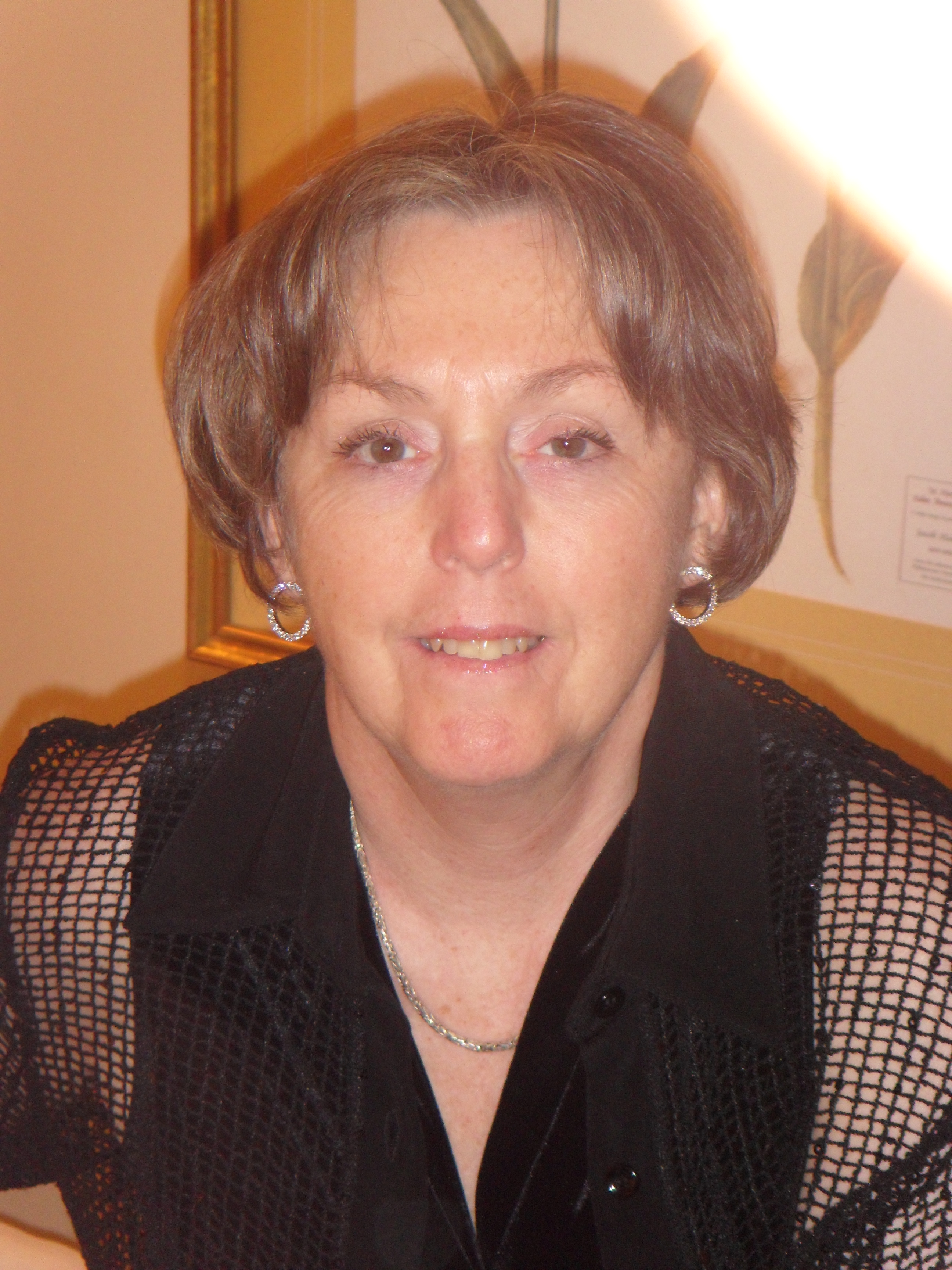
Wanda’s Diagnosis Story

Diagnosis stories are powerful teaching tools that help people learn to recognize the symptoms of type 1 diabetes. For the person diagnosed with type 1 diabetes, a diagnosis is the day his or her life changes and goes forward. Semisweet is sharing the diagnosis story of someone who’s lived with T1D for 53 years. Here’s Wanda’s Diagnosis Story in her own words.

Wanda, diagnosed at age 12, December 19, 1962

About two weeks before Christmas in 1962 I developed a tremendous thirst and along with it, numerous trips to the toilet to pee. This was not immediately noticeable to my mom, but after a week of this, I required a parental note so that I could be excused from my class to go the bathroom, which was an embarrassment for a twelve year old.

My mom’s initial thinking was that I had a bladder infection, so thankfully she set up an appointment with our family doctor for the following week. By the time of the appointment, I was drinking (and peeing) over 1 gallon of water, plus other fluids, each day. I had a huge appetite, but was listless and quickly losing weight, almost 20 pounds in 2 weeks. Our doctor did a quick urine test in his office and diagnosed me with type 1 diabetes, which was called Sugar Diabetes at the time. I was twelve years old and in Grade 7 when I was diagnosed with type 1 diabetes.

I was admitted into the children’s ward of the local hospital and spent one month in the hospital. I remember being worried I would miss Christmas, but the doctor said I could go home for Christmas day if I returned in the evening, which is what we did. I was in hospital for about 4 weeks as I learned the complexities of diabetes care. They also figured out how much insulin I would require to manage each day. Glucose testing was mainly done with Eli Lilly urine testing strips, which certainly weren’t as accurate, but gave you idea if you were in trouble. There was no sliding scale, and pumps weren’t yet invented. I measured food in “exchanges” and ate the same amount every day, so 1 ounce of meat was 1 meat exchange a slice of bread was a bread exchange, etc.

Wanda 1 year after diagnosis

Wanda 1 year after diagnosis

The diabetic care back then was a bit of a nightmare, initially. I had a stainless steel needle that my mom sharpened on a matchbox (the gritty strike edge), and she then sterilized by boiling it in a strainer along with a glass syringe. She did this every night so I was ready for my single shot in the morning. I took snacks to school for mid-morning and mid-afternoon, as well as my carefully measured lunch. I was on the school track team and also played field hockey, so if I needed extra sugar, I drank some juice.

By the time I was 19 we had disposable syringes and needles available at the pharmacy, but with the appearance of recreational drugs on the scene, I would get a hard time when I purchased them, so I had to show them my medical card stating I was diabetic. I got my first home glucose-testing machine when I was in my thirties, and it was about the size of a paper back book, but still fit in my purse. It cost about $250 and was not covered by our medical plan at the time. Thankfully, managing diabetes has gotten easier.

There was NO history of type 1 diabetes in my family, so no one was on the lookout for it. The signs are great thirst and consumption of liquids, resulting in increased urination. Fast weight loss and lethargy come quickly afterwards. I lost weight two weeks after the symptoms appeared. A simple blood glucose test can diagnose diabetes.

Wanda on a Caribbean cruise, having lived with T1D for 51 years

Wanda on a Caribbean cruise, having lived with T1D for 51 years

Here I am­— 53 years (and still counting!) after diagnosis. I really have 2 jobs in life: one is regular life, school, employment and the other is managing my diabetes. It makes for a busy schedule, but I am still here, enjoying the results of good management and great medical care. I have travelled the world: Australia, England, much of Europe, Hawaii, the Bahamas and many of the U.S. States, without a single incident. May every newly diagnosed child take heart; there is a great life ahead. You just have to believe it and go for it. Diabetes doesn’t have to run you; YOU manage IT!

Henry, Beyond Type 1

The Diabetes Online Community (DOC) is growing. Beyond Type 1 was founded in “February 2015, and seeks to bring a new level of respect, understanding and support for those living with type 1 diabetes.  BT1 wants to highlight the brilliance of those fighting this disease every day while always working toward ensuring a cure is on its way” (beyondtype1.org). BT1 has a great Instagram account that shares an image and a story, just like Henry’s story.

Henry’s story on Beyond Type 1’s Instagram: I live beyond by telling my friends about my pump. I’m brave when I get site changes. When I grow up I want to be a paleontologist and look for dinosaur bones on the beach! My name is Henry and this is how I live beyond!

Raise a Cupcake: Semisweet Turns 1 Month Old

Semisweet will be a month old tomorrow, August 17, 2015, and it will be a sweet mile marker, with stories already shared on the The Mighty and Yahoo! Parenting.  Thanks for reading, and thanks to Melia and Connor, who’ve stepped out to share their diagnosis stories. Voices are advocacy. Let’s advocate for a life with T1D one story at a time.

Semisweet is busily planning  giveaways, more diagnosis stories, and a social media campaign for Diabetes Awareness Month this November, so keep reading and sharing your comments and thoughts.

IMG_1161

In the meantime, we’ll celebrate with a cupcake and this helpful formula for frosted deli cakes: weigh the cake in grams and multiple by .55 to find the carbs. Cheers!

Newly Diagnosed Reading List

Speaking to an audience of First Timers at Friends for Life 2015 Diabetes Dad, Tom Karlya, said “Diabetes is an unfair and tough disease, but knowledge is the equalizer in diabetes.” Knowledge is the equalizer in diabetes. Between blood glucose checks every two hours, being a parent, and teaching, it took me a few months to get through these books, but the history, research, and practical advice helped me cope with our son’s diagnosis and more importantly, find good avenues of care for him.

Diabetes Rising by Dan Hurley

After I meet with another parent whose child has diabetes, one of the first pieces of advice she gave me was to order Diabetes Rising. This book is an advanced primer on the history and current research as it pertains to T1D. Divided into three main sections, the first section chronicles the history of diabetes mellitus and focuses on the alarming rate at which both type 1 and type 2 is rising. The middle section covers hypotheses about the etiology of type 1 and the last section covers various treatments and research for a cure. The author, Dan Hurley, is a reporter, and a person living with T1D. This is the book I pass along to family and friends who want to learn more about diabetes.


Breakthrough: Elizabeth Hughes, the Discovery of Insulin, and the Making of a Medical Miracle by Thea Cooper and Arthur Ainsberg

The book swiftly moves through the history of diabetes and its lack of treatment before the modern era. I think this book is one part biography of William Banting and one part case study of Elizabeth Hughes, one of the first American patients to be given insulin after its discovery in 1921. The book covers the early experiments of Banting and Best and follows the story of insulin to the Lilly Corporation and then the Noble Prize.


Cheating Destiny: Living With America’s Biggest Epidemic by James S. Hirsch

Like Diabetes Rising, this book looks at the history of diabetes, hypotheses, and current (published in 2009) research. What makes this book differently is the deeply empathetic voice of the author, James S. Hirsch, who is a person living with T1D. The book opens with the author’s three-year-old son’s diagnosis of T1D.


Think Like a Pancreas by Gary Scheiner

Thankfully, the author, Gary Scheiner, a CDE and person living with T1D, acknowledges no one can really think like a pancreas. However, if it’s possible to even replicate one iota of what a pancreas does, it would be with the help of this book. This book covers how to establish and test basal programs, a wealth of information for counting carbs and covering with boluses, detailed nutrition information, and other elements that affect blood sugars. Sitting down with this book is like sitting down with a nutritionist and CDE for a very advanced lesson on artificial metabolism.

“I Got Scrapes, And This Is Not a Scrape”

This guy opened the first ever Diabetes In A Minute a series of mini documentaries about living with diabetes at Friends For Life 2015 in Orlando.

He’s got scrapes, but obviously diabetes isn’t one of them. For now. When this video was broadcast across four big screens, Henry left saying, “Everyone knows my name is Henry.” And it’s true, people came up to Henry and complimented his video, to which he replied, “Maybe next year you can make a video.”

He is young and he is innocence. In the video, Henry blithely tells the audience about his scrapes, and in the next breath he shows off his pump and continuous glucose monitor (CGM), as though these two were equal. One day the stigma and needed longanimity of “diabetes” will outweigh scrapes, and that is a natural rite of passage.

When a stranger asks me about the gear Henry is wearing or I explain to a colleague why I had to step out of meeting a few days prior, T1D comes up, and I briefly explain the basics. Usually, this scenario goes smoothly and hopefully someone understands more about T1D. However, sometimes this moment is teeth cringing, and an over-sharing stranger tells me about his or her dead grandmother in the produce aisle. When people respond after learning of my son’s diagnosis, I believe they are usually attempting to relate or don’t know what to say, but as a parent of a child with diabetes, the two most dreaded responses from someone who learns of my child’s disease are:

1. Oh, I’m so sorry. My grandma / great aunt / grandfather’s cousin died of diabetes. They were 48 / 52/ 57. At least I think it was Type 1, or maybe it was Type 2.

I usually say, “I’m sorry to hear that,” but I want to say, “I’m sorry to hear that. Once you figure out if it was Type 1 or Type 2, you  might want to read a little more about the amazing treatments available today for people with T1D. Oh and hey, have some common sense. Maybe don’t tell me about your dead relative while I’m grocery shopping with my four year old son who happens to have the same disease that killed your grandma / great aunt / grandfather’s cousin.

2. Well, at least it’s good he has it so young, so he won’t know the difference when he’s older. 

I usually say, “A lot of people say that,” but I want to say, “A lot of people say that because they are misinformed. I’m sure he’s noticed his older sister is not wearing a pump and getting blood sugar checks 10-12 times a day. He’s also noticed that the other twenty-three kids in his preschool class don’t check their blood sugar, wear pumps, or go on field trips with massive medical supplies in a backpack. Also, those 13 or so years, which he would of had if he were diagnosed later, with a normal, salubrious blood sugar that are conducive to his longevity, I don’t mourn those.”

I think Henry’s got some scrapes, but hopefully as people become more educated about T1D they won’t add a new scrape. The first step toward empathy is meeting someone with T1D, and the second step is learning what to say. It’s great to hear, “I’m sorry to hear that. Can you tell me more about Type 1?” or “I’m sorry to hear that. I’m not sure I really understand the difference between Type 1 and Type 2,” or even, “I’m sorry. I think I know someone else with that.” People with T1D need advocates to understand the difficulties and trials of living with T1D, so listen to their stories before you tell yours.

Oops, I Became an Advocate

We stopped in Jekyll Island for a few days of relaxation after our first ever Friends for Life Conference, which is a Children with Diabetes event. Our four year old had been living with with Type 1 Diabetes for 16 months. In the previous weeks, the CEO of CrossFit tweeted ignorant, harmful remarks about diabetes and sugar, and a four and five-year-old passed away from complications of undiagnosed Type 1 Diabetes after seeking medial care and getting misdiagnosed. The past few days images of our four-year-old son sitting at the pool or playing on the beach filled me with pride and sorrow.

IMG_6025

I believe there is power in story. I believe it takes a village. Given these two premises, I started a blog fueled by the power of story about lives, research, and advocacy as it relates to T1D. The Diabetes Online Community (DOC) has been and continues to be an amazing resource for advice and inspiration, so I wanted to be a part of this community. While a cure for Type 1 remains elusive, grass root organizing and sharing, just like the effort undertaken by Night Scout Project #WeAreNotWaiting, can lessen the burden of this disease. This is Henry’s story, and the story of all the people who love him told one number, one day, one fear, one high, one low, one laugh at a time.